Website Developed by RGE Solutions
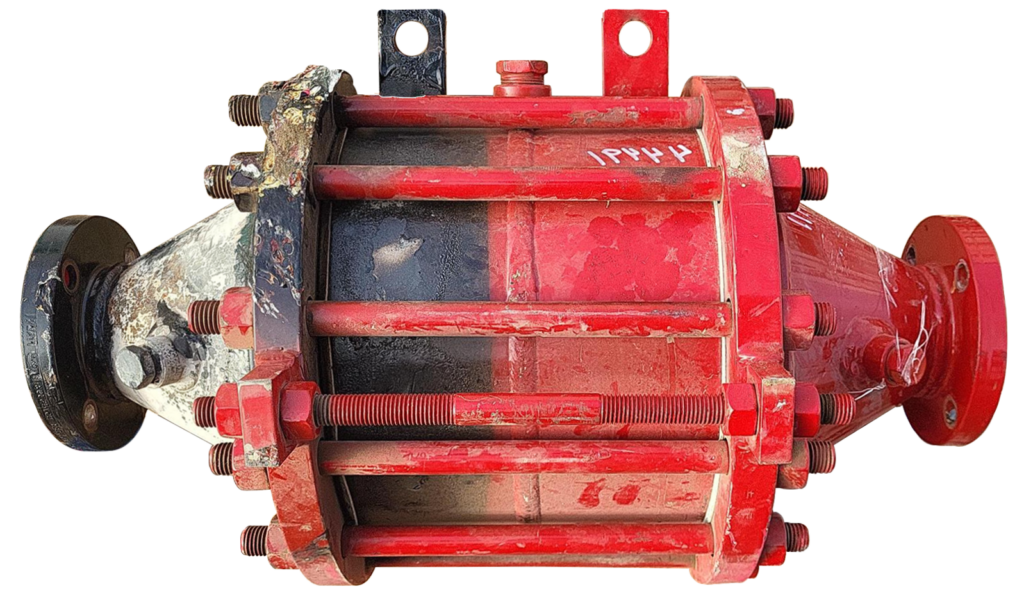
The ILNF offers all the working characteristics of the ILSF-A and B but does not have a removable flame quenching element. The flame quenching element is instead welded into the unit. The INLF has CSA verification of performance subjected to the same testing as the ILSF-A and B.
The ILNF does not require gaskets and is lightweight, thus it is considerably more economically priced. Cleaning the ILNF requires the whole unit to be removed, but in most cases, there are fewer bolts required to remove the whole unit then there are just to remove the elements from the ILSF-A&B models. The ILNF units can be manufactured out of stainless steel and exotic metals for a much lower cost than units with removable elements. Spare units can be purchased for marginally higher prices than spare elements allowing for two utilizable units if needed.
The ILNF is the practical way to go if you need protection at a below average cost.
The Prism SS Deflagration Detonation Flame Arrestor has all the same working characteristics of the ILNF with two exceptions. The first is reduced internal support required to handle an overdriven detonation, however all other flame fronts are easily contained and do not generate force. The internal components are identical to the ILSF-A, ILSF-B, and ILNF.
The DDFA’s second difference is that it has been subjected to and passed internal testing only. The DDFA is designed specifically to give adequate protection at a rock bottom price. Many of the crimped ribbon flame arrestors that are sold on the general market are false security and would fail dramatically if subjected to testing comparative to the DDFA. Through internal flare system testing, Prism has witnessed these failures. The DDFA is a combustion solution designed to take the place of the many crimped ribbon flame arrestors in the industry that are misapplied and are a liability if subjected to an event.
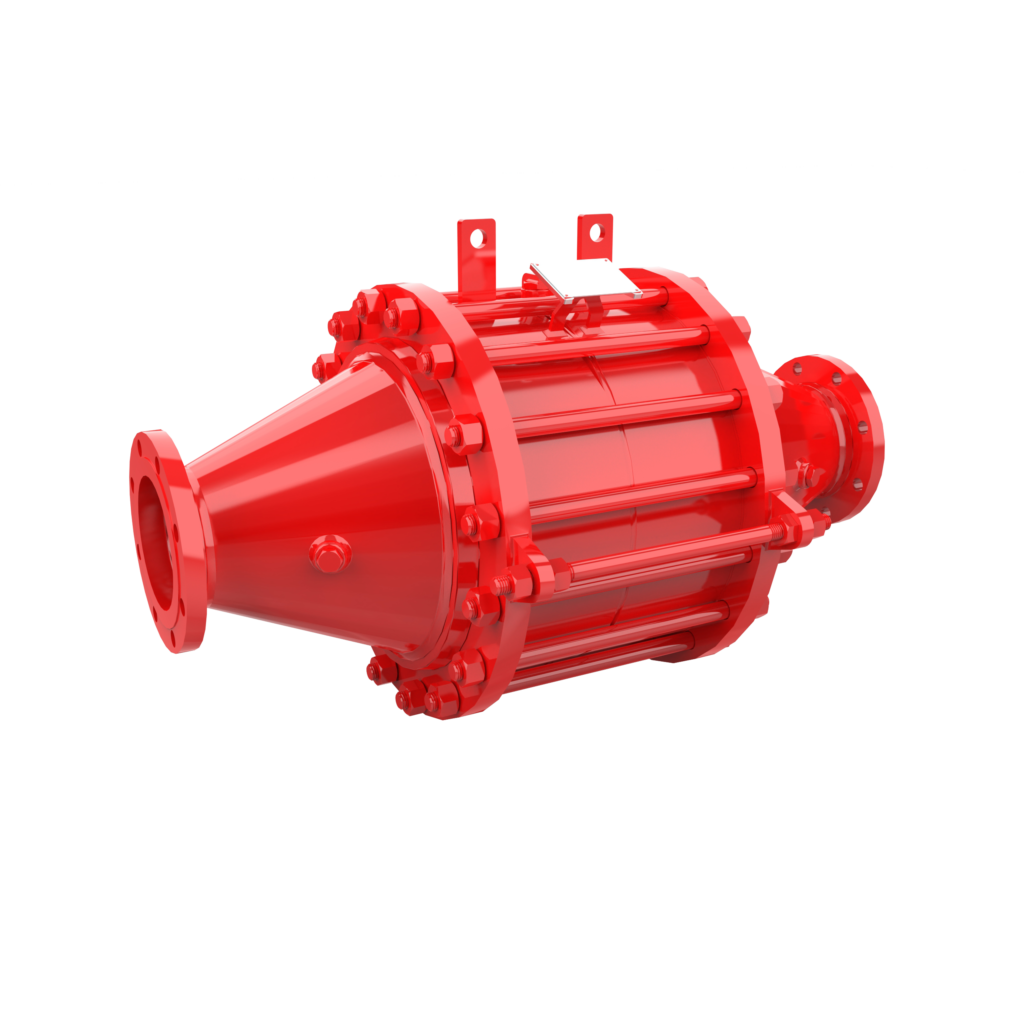
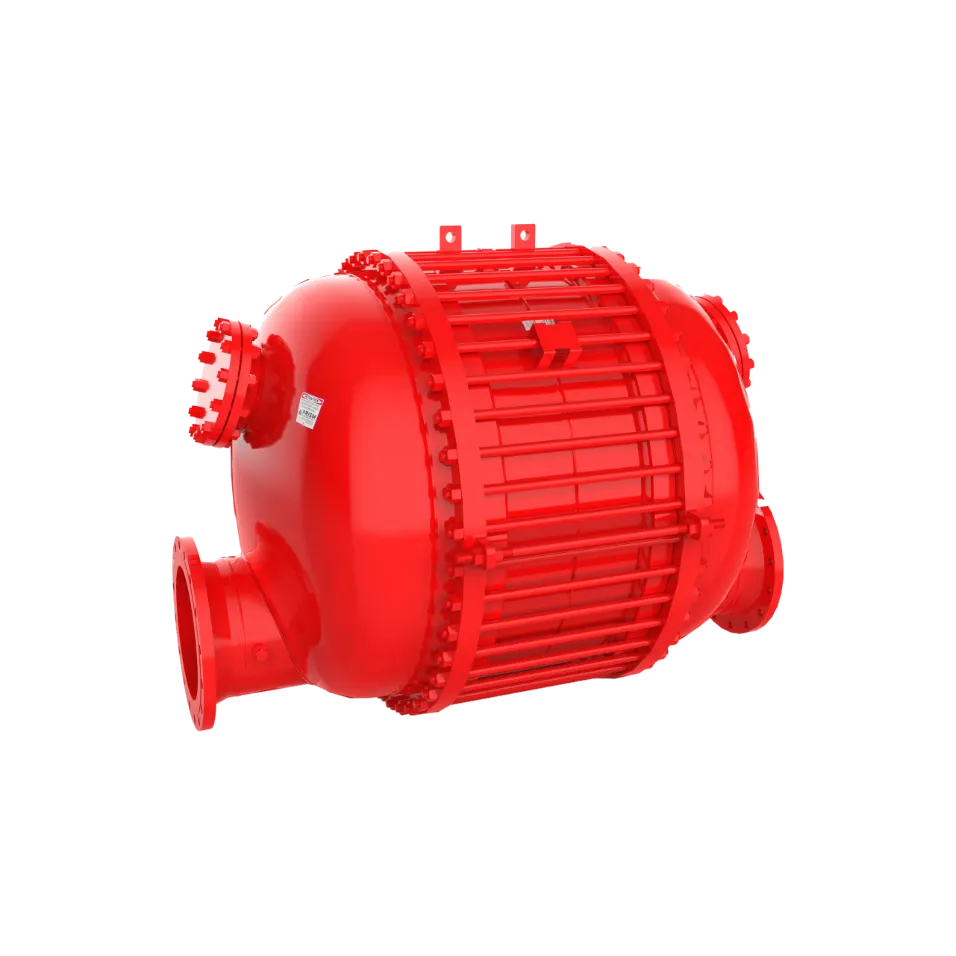
The OSDF Prism SS Detonation Flame Arrestor offers the best quality and protection that you can buy in the following features: gasket integrity, flame propagation stoppage through the full flame front spectrum, having the longest continuous burn time rating, eliminating fluid traps, and guaranteed cleanability.
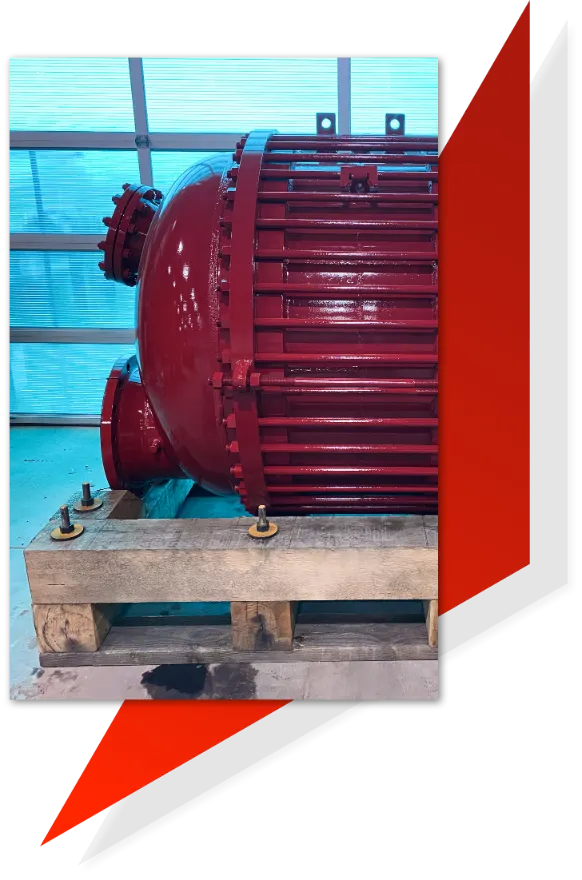
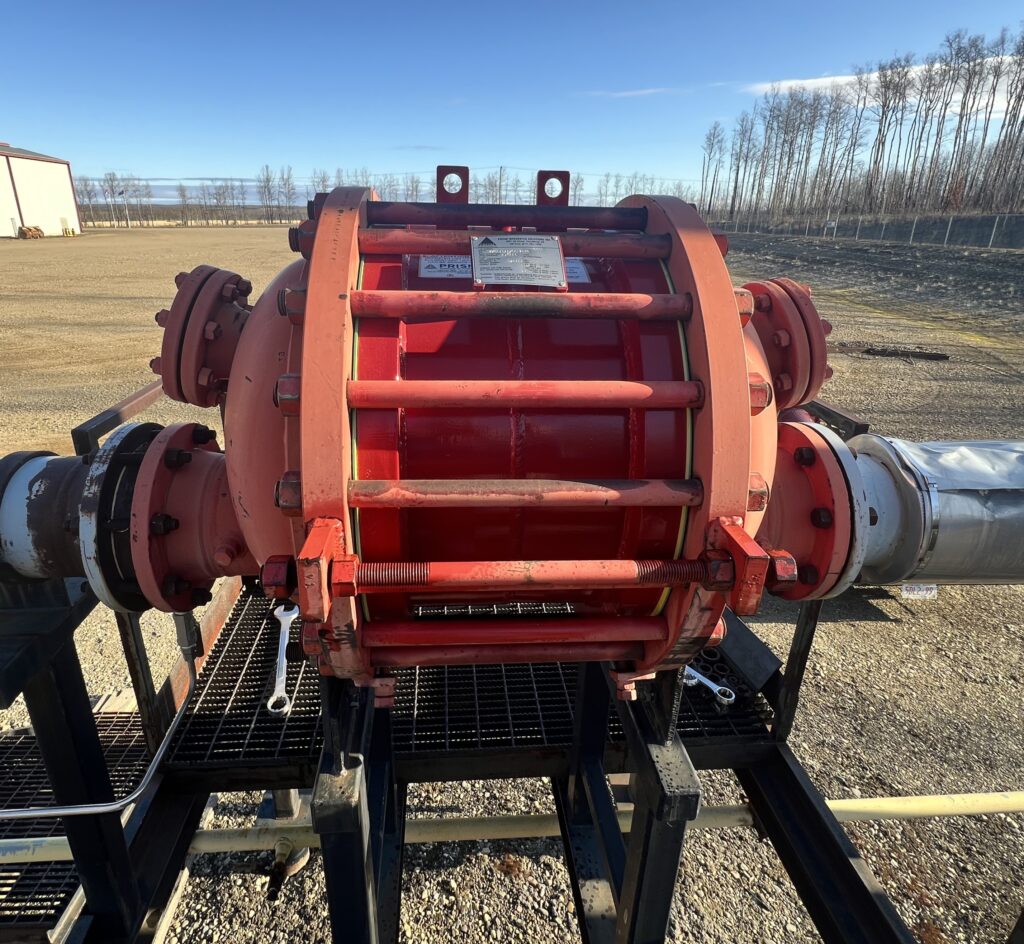
The OSDF incorporates dual flanges on the flame quenching element section to ensure that the proper gasket can be installed to accommodate critical conditions. The dual flange arrangement will remain intact during a severe continuous burn condition in which the downstream side of the Detonation Flame Arrestor gets red hot and can suffer from heat warpage and distortion. On the dual flange Detonation Flame Arrestor, the upstream flanges are not subjected to the elevated heat, so they remain intact and functional, keeping critical piping intact.
The Offset Single Flange incorporates all the working features of the OSDF except it does not utilize the dual flanges on the element section. It is manufactured with a machined gasket face on the element section, which is available for the OSSF and the OSDF.
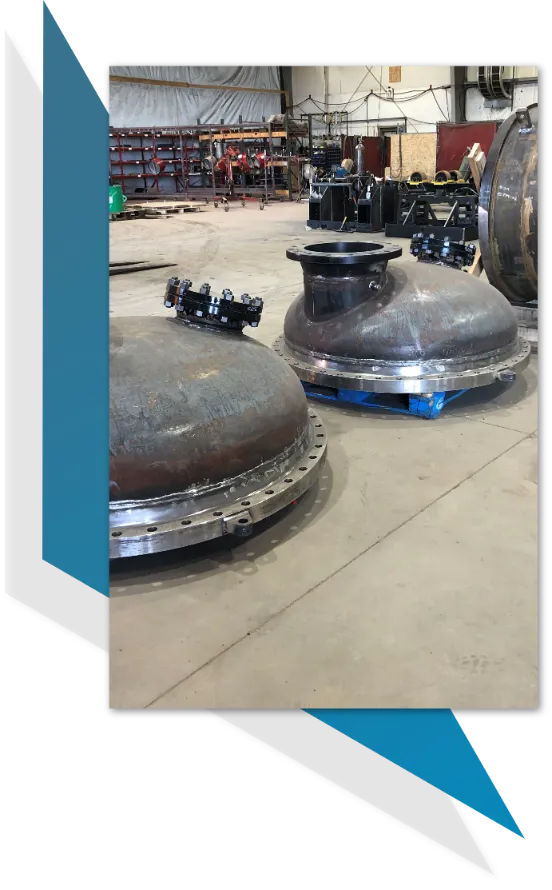
The OSSF combustion solution was designed from an economic standpoint. Some applications call for exotic metals such as Hastelloy and Tantalum to be used for chemical attack corrosion resistant. Purchasing large diameter flanges using these types of materials can be very expensive, thus Prism has re-engineered these OSSFs to reduce costs, giving you superior performance at an applicable price.
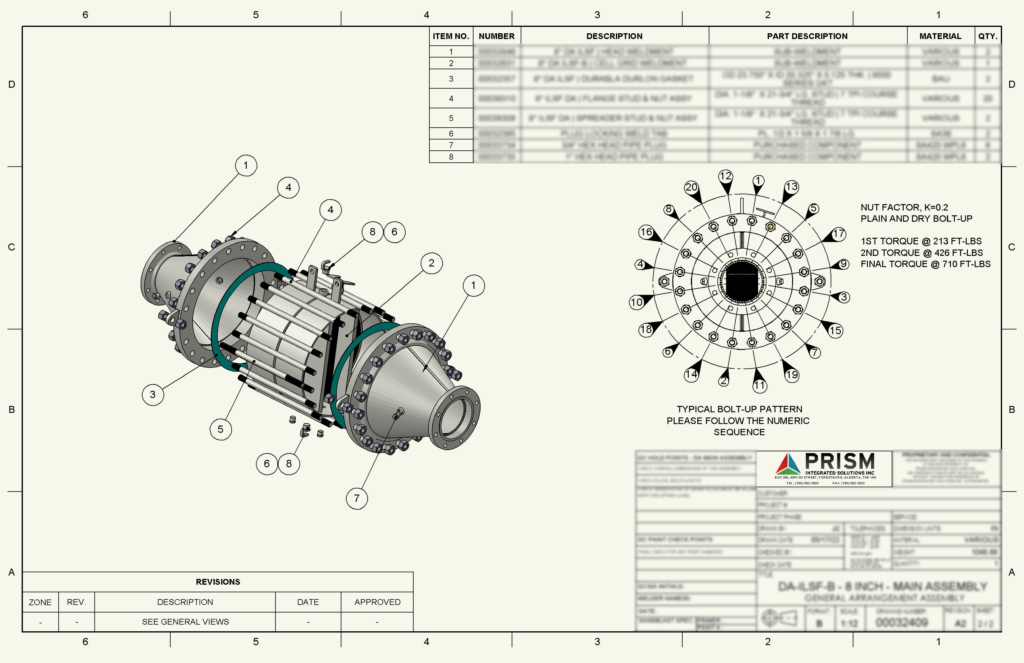
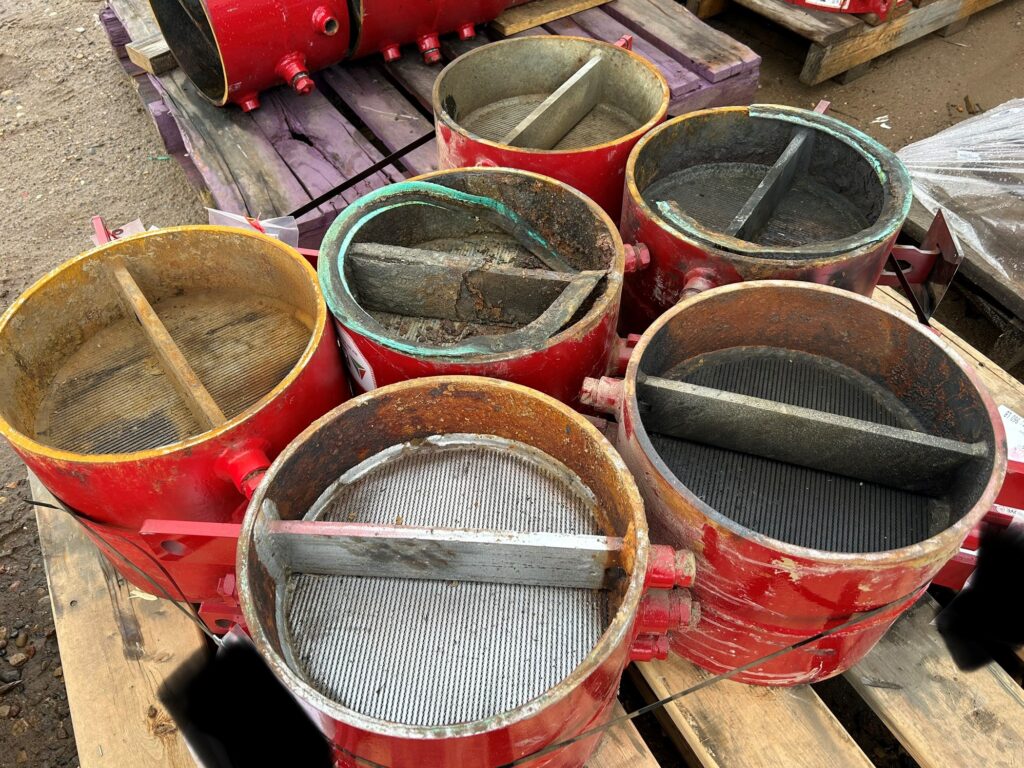
The Prism SS Detonation Arrestor combustion tech was designed around the cleaning and reconditioning of the unit and has been extensively engineered and tested to do not just one job, but many. The unique grid assembly flare stack flame arrestor is a series of accurately and evenly spaced flat bars that are welded securely into the cell. The grid assembly also greatly improves the continuous burn rating, and acts as a protective guard for debris that may travel in the piping system.
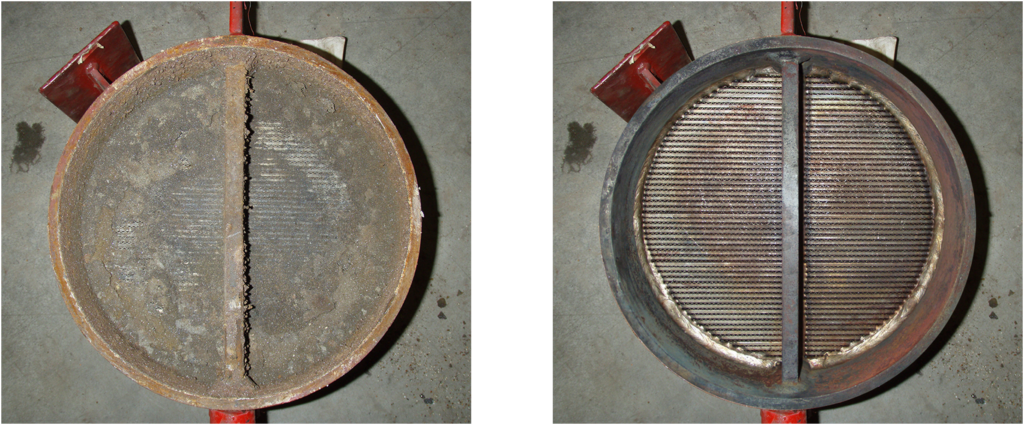
The grid assembly of the arrestor is arranged so that it is cleanable and rebuildable, saving future maintenance expenses. Once the used element has been removed, it can be shipped back to the factory to be cleaned and checked. At the factory, the media is removed. Then the cell assembly is sandblasted, cleaning all debris from channels, surfaces, and housing. After blasting, a thorough inspection is done to assure that the housing is totally intact. Once the inspection is complete, the unit is then recharged with new alumina ceramic, sealed, painted, and put in stock.